Share
Alcáçovas Sweet Rice: Christmas Recipe Without Eggs
Alcáçovas sweet rice brings milk, lemon and cinnamon to the table, without egg yolks or whites. The grains become tender, coated in a pale cream that thickens as it cools. Serve it in small bowls, with a cinnamon design made just before serving.
A collection linked to Christmas
In the Alentejo Gastronomic Charter, this recipe was collected in Alcáçovas, in the municipality of Viana do Alentejo, during an interview with Vicência Isabel Canha Piçarra. The source explicitly associates it with Christmas, New Year's Day and Carnival. It is an egg-free version made with rice, water, milk, sugar, lemon peel and cinnamon.
Estimated yield: 6 small bowls
Approximate time: 45 to 55 minutes, plus cooling time
Ingredients
- 150 g carolino rice
- 375 ml water
- 600 ml semi-skimmed or whole milk, plus 50 to 100 ml if needed
- 120 g sugar
- 1 wide strip of lemon peel, without the white pith
- 1 cinnamon stick
- Ground cinnamon to finish
Step-by-step preparation
-
Start the rice.
Put the water, rice, lemon peel and cinnamon stick in a heavy-based saucepan. Bring to the boil, lower the heat and cook for about 10 to 12 minutes, stirring occasionally. The rice should absorb much of the water but should not yet be fully cooked. Do not let it dry out and stick to the bottom. -
Heat the milk.
Meanwhile, heat the 600 ml of milk in another pan, without letting it boil over. Add half to the rice and stir. Cook over low heat, gradually adding the remaining milk in two or three portions as the rice absorbs it. -
Let the grains soften.
Cook for a further 20 to 25 minutes, stirring frequently and running the spoon across the bottom of the pan. Taste a grain: it should be tender, with no hard centre. If the rice is still firm and the mixture is dry, add hot milk in small portions and continue cooking. The timing varies according to the rice and the heat. -
Add the sugar.
When the grains are tender, add the 120 g of sugar. Stir and let it simmer gently for another 5 to 8 minutes, until the mixture becomes creamy. Do not wait for a thick mixture: the sweet rice should fall easily from the spoon, as it thickens while cooling. If necessary, loosen it with a little hot milk. -
Serve and finish.
Remove the lemon peel and cinnamon stick. Divide between 6 small bowls or a shallow serving dish. Allow it to cool slightly and sprinkle with ground cinnamon before serving.
The secret is getting the consistency right
The rice should come off the heat still creamy and slightly fluid. If it is compact in the pan, it will be firmer in the bowls. Use low heat, stir regularly and check the texture of the grain before adding the sugar.
Wine and dessert table
To accompany it, I suggest Cartuxa Late Harvest 2018, from Fundação Eugénio de Almeida, served at around 12 °C, as indicated on the product information page. It is a sweet wine we chose for this dessert; the pairing is not mentioned in the collection.
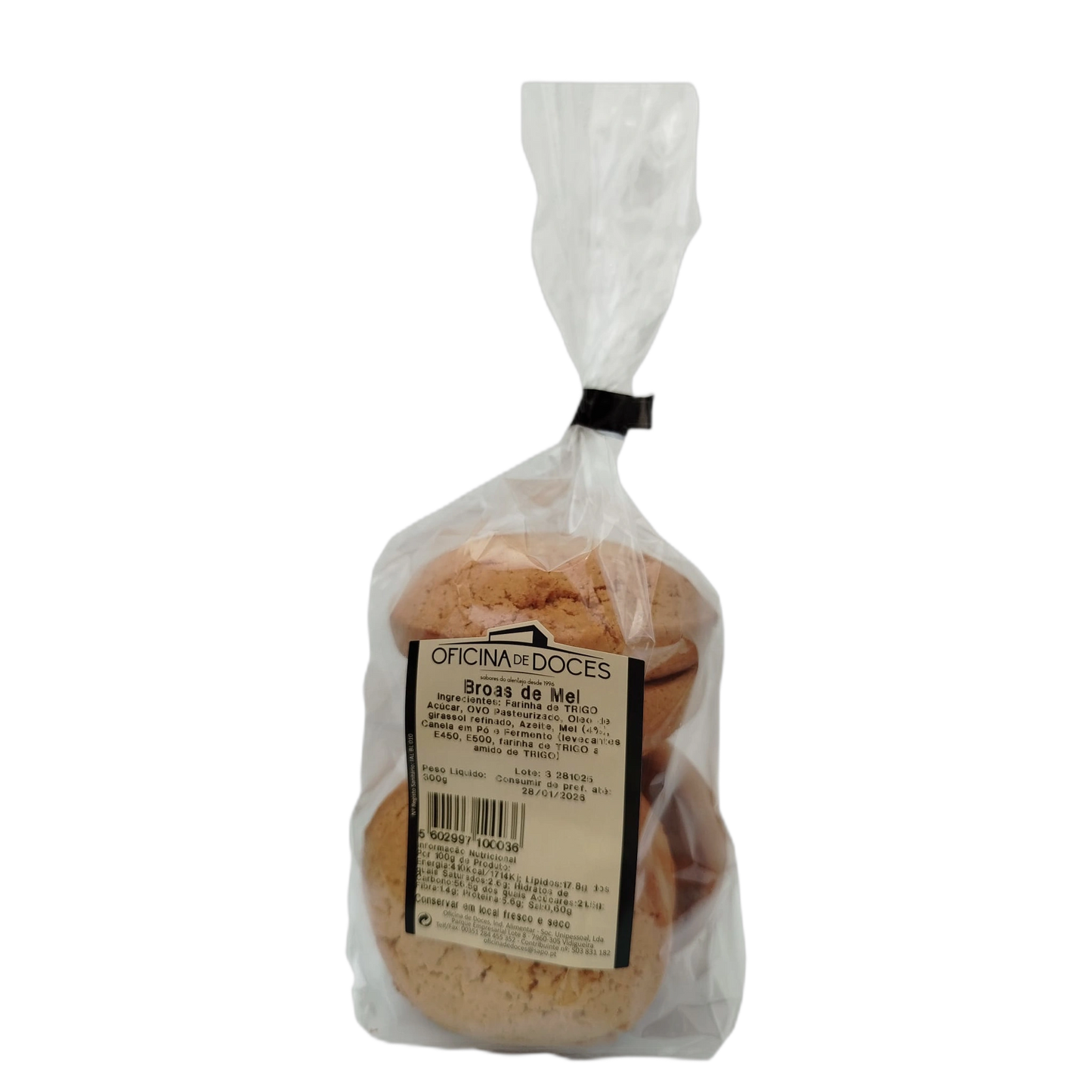
If you would like to complete the table with another ready-made sweet, discover our shop's Honey Biscuits. They are an independent suggestion for sharing, not an ingredient or substitute for the sweet rice.
Preparing in advance
You can prepare the sweet rice the day before. Divide it between shallow containers, allow it to cool without leaving it at room temperature for hours and keep it covered in the refrigerator. Consume within 2 days and add the cinnamon shortly before serving. As it cools, the rice absorbs more liquid and becomes firmer.
More Alentejo sweets
For a different preparation, with eggs and oven baking, discover our Vila Viçosa Cericá.
Source and adaptations
Alentejo Gastronomic Charter (2013), p. 607, “Sweet Rice”, Alcáçovas, Viana do Alentejo. Interview with Vicência Isabel Canha Piçarra, by Leonor Lopes, Terras Dentro, in 2012.
Recipe collected in Alentejo, adapted by Herdade do Estacal for the “À Mesa com o Alentejo” blog. The source uses 1 bowl of rice, 2.5 bowls of water, 1 bowl of sugar and 1 bowl of milk, without defining the bowl's capacity. This version specifies measurements in grams and millilitres, uses carolino rice, increases the proportion of milk for a creamier texture and adds the sugar after the rice has softened, instead of adding it with the milk when the water comes to the boil. The measurements are not an exact conversion of the original bowls. Yield and timings are estimates, not the results of a kitchen test.
Illustrative image generated for this article.