Share
Alentejo-Style Barriga de Freira: Mértola Recipe
Alentejo-style barriga de freira is a spoon dessert made with eggs, almonds, breadcrumbs and sugar syrup. It cooks slowly, with a little butter added at the end, and can be served in one dish or in individual bowls, with cinnamon if you like.
A recipe collected in Mértola
The Carta Gastronómica do Alentejo recorded this preparation in São Miguel do Pinheiro, in the municipality of Mértola, during an interview with Esmeralda Candeias Ruas. The breadcrumbs are ground with the almonds and added to the egg mixture; the sugar syrup is incorporated before the dessert is cooked. The source does not explain the origin of the name, but documents this way of using bread in an egg dessert.
Yield: about 6 small bowls
Total time: about 35 minutes, plus cooling
Ingredients for 6 servings
- 6 eggs
- 250 g sugar
- 75 g blanched almonds
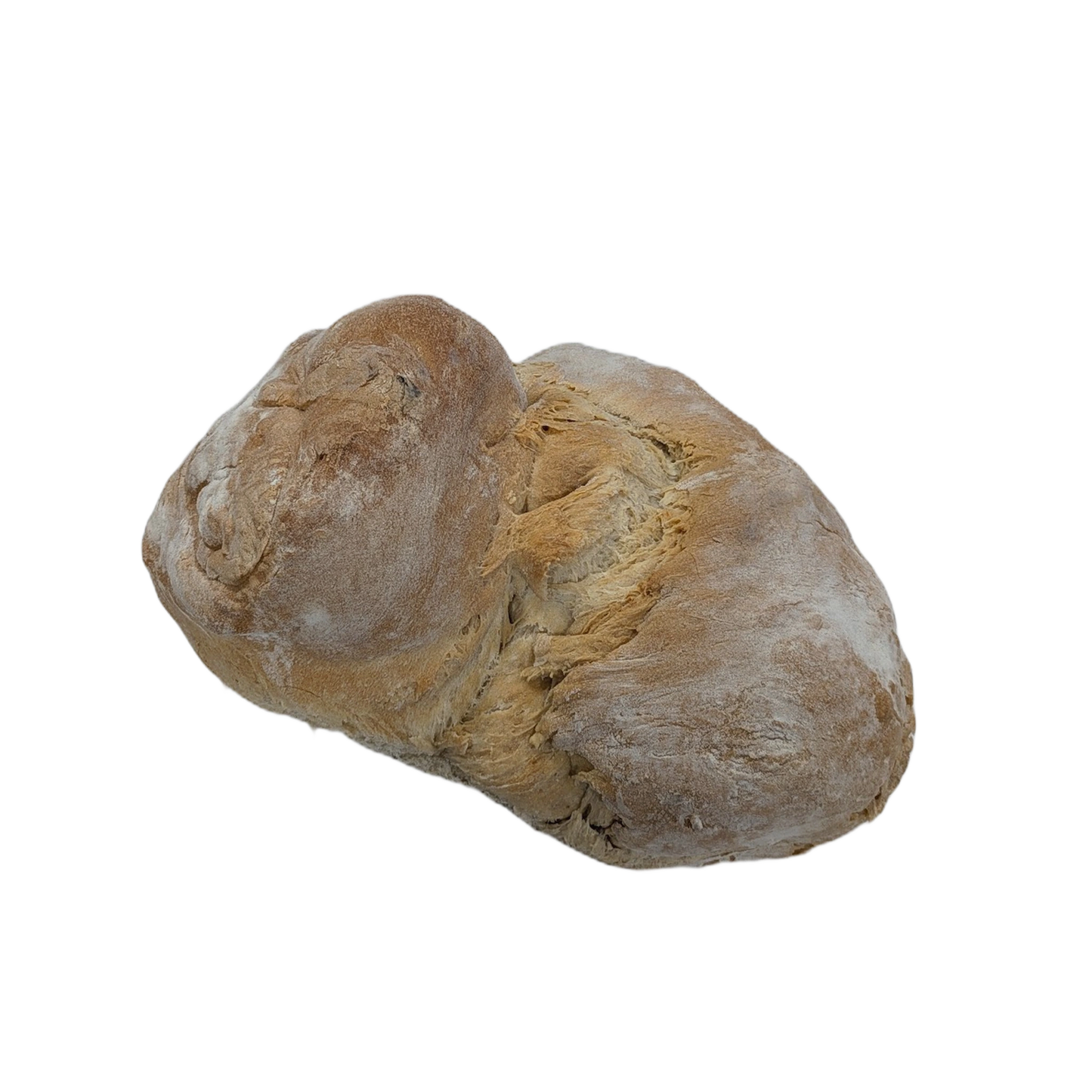
- 70 g Alentejo bread, such as Pão Tradicional Alentejano – Forno de Lenha – 500 g
- 20 g butter
- About 100 ml water for the syrup
- Ground cinnamon for sprinkling, optional
Preparation
- Prepare the bread and almonds. Remove the crust until you have 70 g of bread. Grind the blanched almonds and, separately, the bread until finely broken up, without forming a paste.
- Make the syrup. Put the sugar and water in a small saucepan. Heat over medium heat, stirring only until the sugar dissolves. Let it simmer for about 5 to 8 minutes, until the syrup thickens slightly and falls from the spoon in rounded drops, without turning caramel-coloured. Remove from the heat.
- Add to the eggs carefully. Beat the eggs in a bowl and mix them with the ground almonds and bread. Pour in the hot syrup gradually, in a thin stream, stirring constantly so the eggs do not cook suddenly.
- Cook over low heat. Transfer the mixture to a deep frying pan or heavy-based saucepan. Cook over low heat, stirring frequently for about 8 to 12 minutes, until thickened and the eggs are completely cooked, with no liquid parts remaining. Add the butter in small pieces around the dessert and gently swirl the pan to distribute it; cook for another 1 to 2 minutes without letting it stick.
- Serve. Transfer to a serving dish or divide among bowls. Leave to cool slightly and sprinkle with cinnamon, if desired.
Tips for a smooth dessert
Pour the hot syrup over the eggs slowly and stir continuously. During cooking, keep the heat low so the dessert thickens without sticking to the bottom. If the syrup starts to darken before you remove it from the heat, the temperature is too high.
Pairing: fortified wine with almond notes
Serve a small measure of Vinho Vasquinho Licoroso Tinto slightly chilled. The description of this wine mentions an almond flavour and notes of fig and sour cherry: the almond echoes the dessert in the glass, while the fruit provides an interesting contrast to the egg dessert. This is a serving suggestion, not an ingredient in the recipe.
Preparing ahead and storage
Prepare the dessert in advance and keep it covered in the refrigerator once cooled. Serve chilled or let it sit out briefly before serving; do not leave it at room temperature for hours.
Frequently asked questions
What is the pearl stage of the syrup?
It is a slightly thicker syrup that falls from the spoon in rounded drops. It should not turn brown. If you are unsure, stop before it caramelises: the dessert will continue cooking with the eggs.
Can I use day-old bread?
Yes. Use only the inside and grind it finely so it mixes well with the almonds and eggs.
Bring the Alentejo to the table
Use the inside of Pão Tradicional Alentejano de Forno de Lenha in the dessert and serve it with a small glass of Vinho Vasquinho Licoroso Tinto. For another regional cake, see our Vidigueira bolo podre.
Source
Carta Gastronómica do Alentejo (2013), p. 852. Recipe for Alentejo-style barriga de freira collected in São Miguel do Pinheiro, Mértola, during an interview with Esmeralda Candeias Ruas.
Recipe collected in Baixo Alentejo and adapted by Herdade do Estacal for the “À Mesa com o Alentejo” blog. We kept the main ingredients and quantities from the source; the water for the syrup, cooking times and practical signs of doneness were added to guide preparation.
Illustrative image generated for this article.