Partilhar
Tomato Migas with Scrambled Eggs
Tomato migas with scrambled eggs are one of the most humble and delicious summer dishes from Alentejo cuisine. Made with day-old Alentejo bread, ripe tomatoes, garlic, coriander, and fresh olive oil, they are the perfect example of how Alentejo cuisine transforms simple ingredients into something memorable.
Served with creamy scrambled eggs on top, they become a complete, quick, and deeply comforting meal — whether for lunch or dinner.
Yield: 4 servings
Prep time: 10 minutes
Cook time: 20 minutes
Total time: approx. 30 minutes
Ingredients for tomato migas with scrambled eggs
- 400 g day-old Alentejo bread, thinly sliced
- 4 large ripe tomatoes, peeled and chopped
- 4 cloves garlic, minced
- 1 medium onion, chopped
- 1 bunch fresh coriander
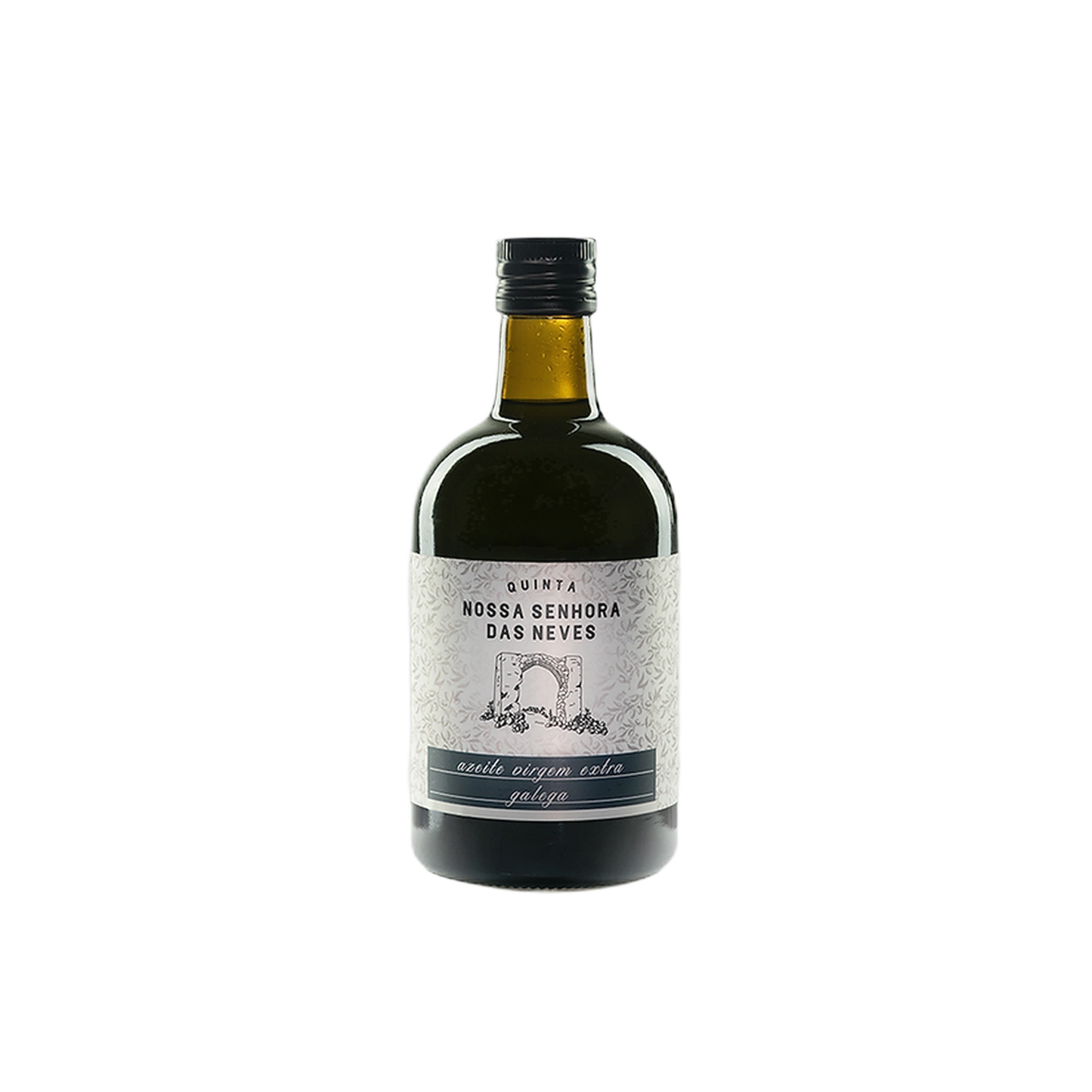
- 80 ml Galega Monovarietal Extra Virgin Olive Oil — 500 ml
- 6 eggs
- Salt and pepper to taste
- 1 pinch paprika (sweet paprika)
How to make tomato migas with scrambled eggs
- Prepare the sofrito. In a large pot, heat the olive oil over medium heat. Add the chopped onion and garlic and sauté for 5 to 7 minutes until soft and golden.
- Add the tomatoes. Add the chopped tomatoes, paprika, salt, and pepper. Cook over medium heat for 10 minutes, stirring occasionally, until the tomatoes break down and form a thick sauce.
- Incorporate the bread. Add the bread slices to the tomato sauce and mix well with a wooden spoon, lightly mashing the bread so it absorbs the sauce. The migas should be moist but not soggy. If necessary, add a little hot water.
- Finish with coriander. Add the chopped fresh coriander, mix well, and remove from heat. Cover and set aside.
- Prepare the scrambled eggs. In a frying pan, heat a drizzle of olive oil over low heat. Beat the eggs with a pinch of salt and pour into the pan. Stir gently with a spatula until creamy and still slightly liquid — the residual heat will finish the cooking.
- Serve. Arrange the migas on a platter and top with the scrambled eggs. Drizzle with a little olive oil and serve immediately.
The secret to perfect migas
The bread should be day-old and dry — fresh bread makes the migas too mushy. The ideal consistency is moist but with some texture, where the pieces of bread are still distinguishable. Take your time incorporating the bread into the sauce — stir slowly so it absorbs the tomato evenly.
Tips for creamy scrambled eggs
The secret to perfect scrambled eggs lies in low heat and patience. Stir gently and remove from heat while they still appear slightly undercooked — the residual heat will finish cooking them, leaving them creamy. Overcooked eggs become dry and rubbery.
Wine pairing for tomato migas
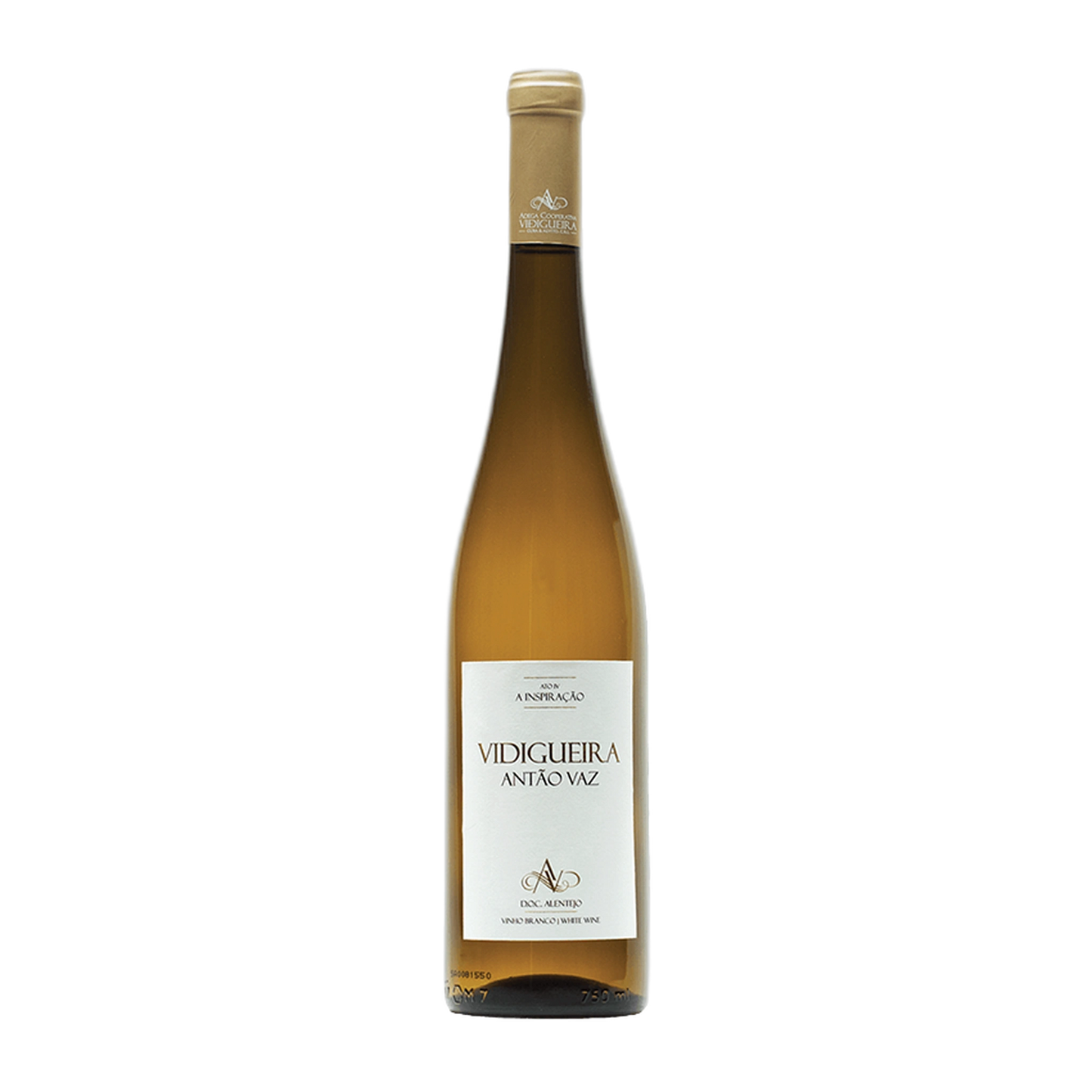
We suggest Vinho Vidigueira Antão Vaz DOC, served between 10 and 12 °C. Its freshness and balanced acidity complement the acidity of the tomato and the richness of the eggs. The Galega olive oil, with its fruity notes, is the element that brings all the flavors of the dish together.
Advance preparation and storage
Tomato migas can be prepared in advance and reheated over low heat with a drizzle of olive oil and a little water. The scrambled eggs should be prepared just before serving. Store the migas in the refrigerator for up to 2 days.
Indicative nutritional information
Per serving (1/4 of the recipe):
- Energy: 480 kcal
- Protein: 18 g
- Fat: 22 g
- Carbohydrates: 52 g
- Fiber: 4 g
- Salt: 1.5–2.0 g
The values presented are estimates calculated based on the indicated quantities and may vary depending on the ingredients used. This information is provided for guidance only.
Frequently Asked Questions
Can I use canned tomatoes instead of fresh tomatoes?
Yes, especially outside of tomato season. Use good quality canned peeled tomatoes and drain excess liquid well before adding to the sofrito.
Can migas be made without eggs?
Yes. Tomato migas are equally delicious on their own, as a side dish for grilled meat or fish. The scrambled eggs make them a complete meal.
What kind of bread should I use if I don't have Alentejo bread?
Any dense, dry bread works well. Avoid sandwich bread or very soft bread, as it disintegrates too much and the migas become mushy.
Bring this Alentejo tradition to your table
Prepare this recipe with Herdade do Estacal's Galega Monovarietal Extra Virgin Olive Oil. Pair it with Vinho Vidigueira Antão Vaz DOC.
Also discover our Alentejo migas with pork belly and chorizo.
Traditional Alentejo recipe, adapted by Herdade do Estacal for the "À Mesa com o Alentejo" blog, maintaining all original methods and ingredients.