Share
Messejana Hare Soup with Alentejo Bread
Messejana hare soup features an aromatic broth with tomato, cumin and mint poured over slices of Alentejo bread. The meat is cooked separately with onion and garlic and served with chips: a game meal served in two parts, as described in the source.
A soup for hunting season
The Alentejo Gastronomic Guide recorded this recipe in Messejana, Aljustrel, in an interview with Maria Manuela Nobre Batista Rianço in 2012. The source places the dish in hunting season. After the hare is cooked, its broth is used for the bread soup, while the meat is cooked down in another pot instead of combining everything in a single stew.
Serves: 4
Total time: about 2 hours and 30 minutes
Ingredients for 4 people
- 1 dressed hare, about 1.2 kg, cut into pieces
- 2 l water for cooking the hare
- 2 medium onions (about 300 g total), one for the broth and one for the sauté
- 4 garlic cloves (about 20 g), chopped
- 350 g ripe tomatoes, chopped, 200 g for cooking and 150 g for the broth sauté
- 15 g fresh parsley
- 1 bay leaf
- 10 g fresh mint
- 2 g ground cumin (about 1 level teaspoon)
- 60 ml olive oil, 30 ml for each sauté
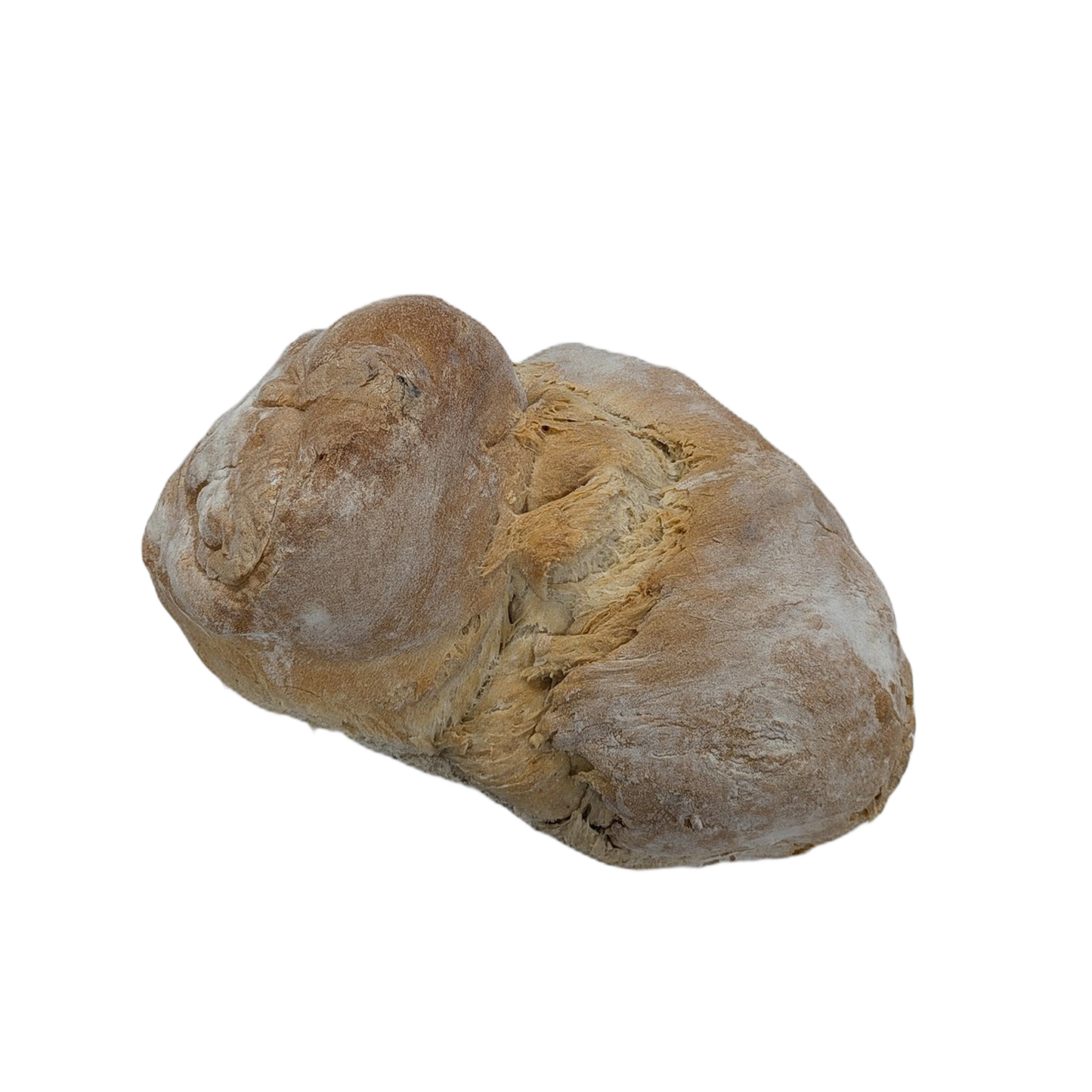
- 300 g Alentejo bread, such as Pão Tradicional Alentejano – Forno de Lenha – 500g, thinly sliced
- 500 g potatoes, cut into chips
- 500 ml vegetable oil for frying the potatoes (most of it will remain in the pan)
- 6 g salt and 1 g ground black pepper
Method
- Cook the hare. In a large pot, combine the hare, 2 l water, 1 onion (150 g), the parsley, 200 g tomatoes and 4 g salt. Bring to a boil, skim off any foam from the surface and simmer, covered, for about 75 to 100 minutes, until the meat comes away from the bones and is fully cooked. Remove the hare, strain the broth and set it aside. Once the meat is cool enough to handle, carefully remove all the bones.
- Prepare the soup broth. Chop half of the second onion (75 g) and 2 garlic cloves (10 g). Heat 30 ml olive oil in a pot, sauté the onion and garlic for 5 minutes, then add the remaining 150 g tomatoes and the bay leaf. Cook for 8 minutes. Pour in the strained hare broth and simmer gently for 10 minutes. Add the cumin and 5 g mint, taste and add the remaining salt only if needed.
- Cook the meat separately. Chop the other half of the onion (75 g) and the remaining 2 garlic cloves (10 g). Heat the remaining 30 ml olive oil in a large frying pan and sauté them for 5 minutes. Add the boned hare and 1 g pepper; cook for 8 to 10 minutes, stirring, until the meat is piping hot and slightly reduced.
- Fry the potatoes. Heat the 500 ml oil in a deep pot to about 170 °C. Fry the potato chips in batches for 6 to 8 minutes, until golden and tender inside. Drain on paper towels.
- Assemble the soup. Divide the bread slices among four bowls, pour the hot broth over them and scatter over the remaining 5 g mint. Serve the cooked hare and chips on the side, with the bones removed.
Tips for the hare and bread
The hare may need more time to cook depending on its age and size: look for tender, fully cooked meat rather than relying only on the clock. Remove the bones carefully before serving. Pour the broth over the bread just before serving so the slices retain some texture.
Wine pairing
Try Vidigueira Reserva Tinto DOC with the hare. The wine’s description notes ripe black fruit and a balsamic touch, which pair well with the intensity of game meat; serve the wine alongside the meat and broth.
Make ahead and storage
You can cook and debone the hare ahead of time. Store the meat and broth in covered containers in the refrigerator and use within 2 days. Heat both thoroughly, then prepare the bread and fry the potatoes.
Frequently asked questions
Why is the meat served separately?
That is how the recipe as recorded is served: the broth is poured over the bread soup, while the cooked hare and chips are served alongside.
Can I serve the hare with the bones in?
For an easier-to-eat bowl of soup, we debone the meat in this adaptation and carefully check that no small bones remain.
More game recipes
Traditional wood-fired Alentejo bread gives the soup its substance. For another hare dish, see our Évora-style pickled hare.
Source
Alentejo Gastronomic Guide (2013), p. 657. Hare soup recorded in Messejana, Aljustrel, in an interview with Maria Manuela Nobre Batista Rianço by Vera Cara Roxa (ESDIME), in 2012.
Recipe recorded in Baixo Alentejo, adapted by Herdade do Estacal for the “À Mesa com o Alentejo” blog. The source mentions one hare, but does not quantify the other ingredients or cooking times. We set the quantities for four people, the cooking time and the deboning instructions to guide serving; we retained the broth poured over bread and the cooked hare served separately with chips.
Illustrative image generated for this article.